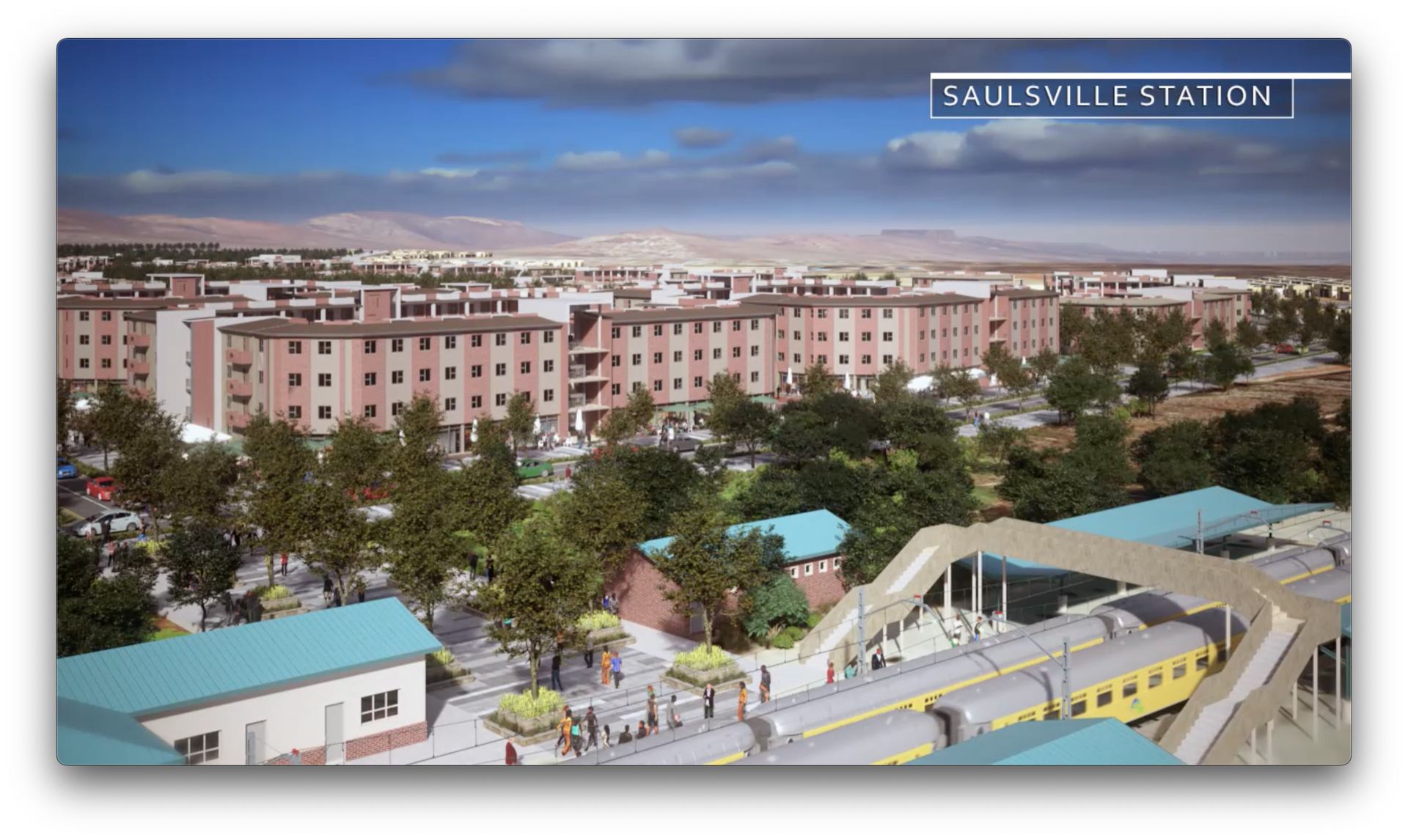
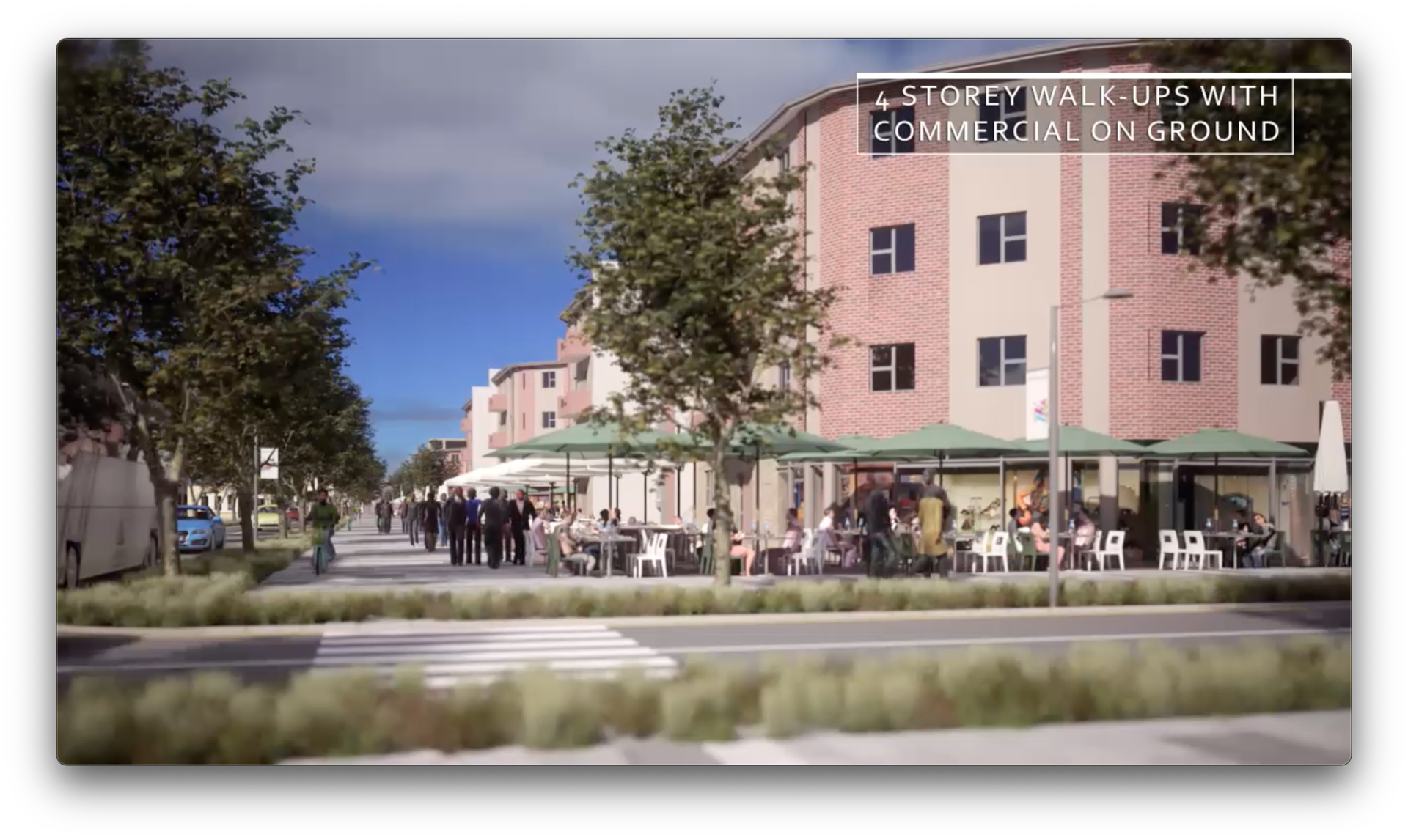
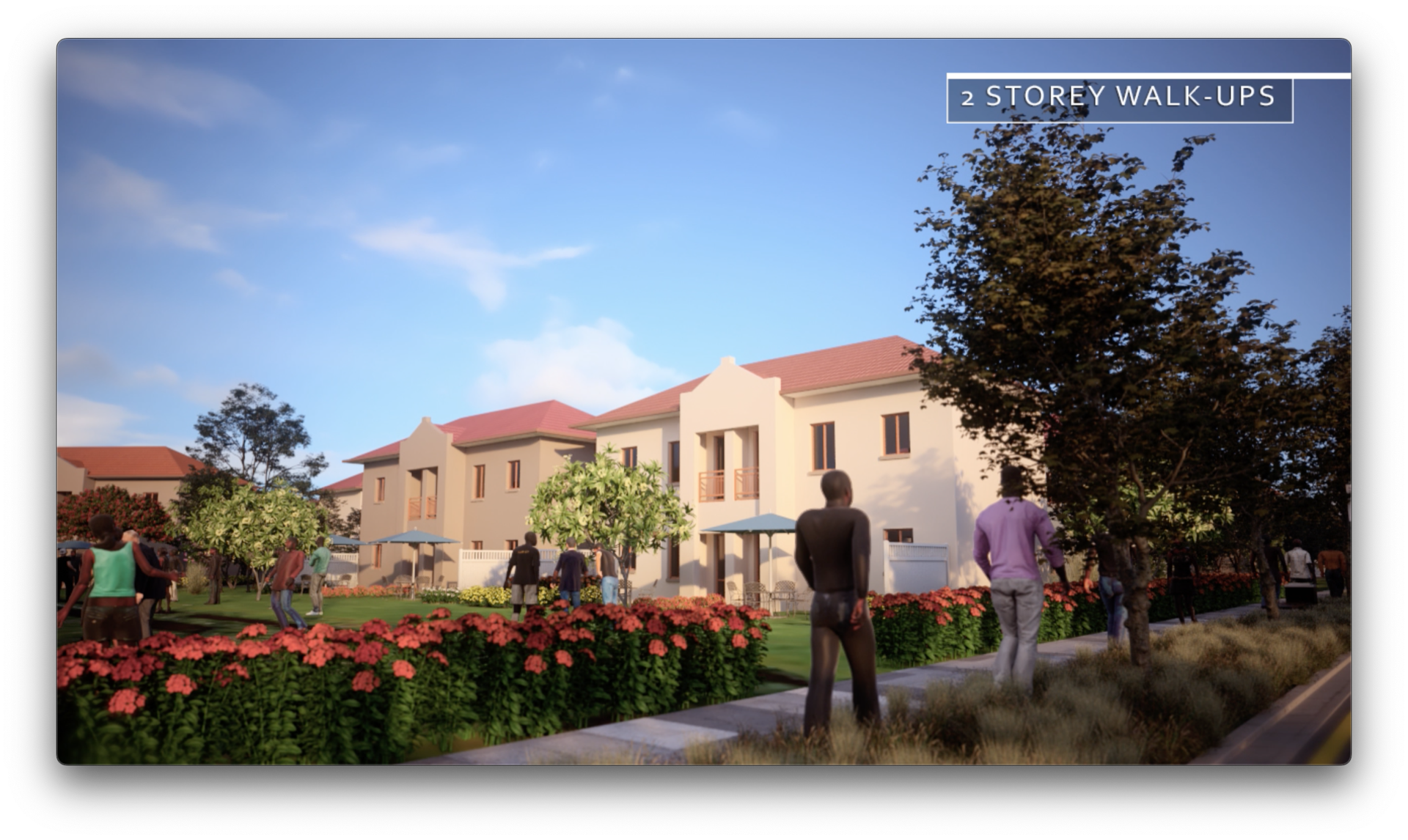
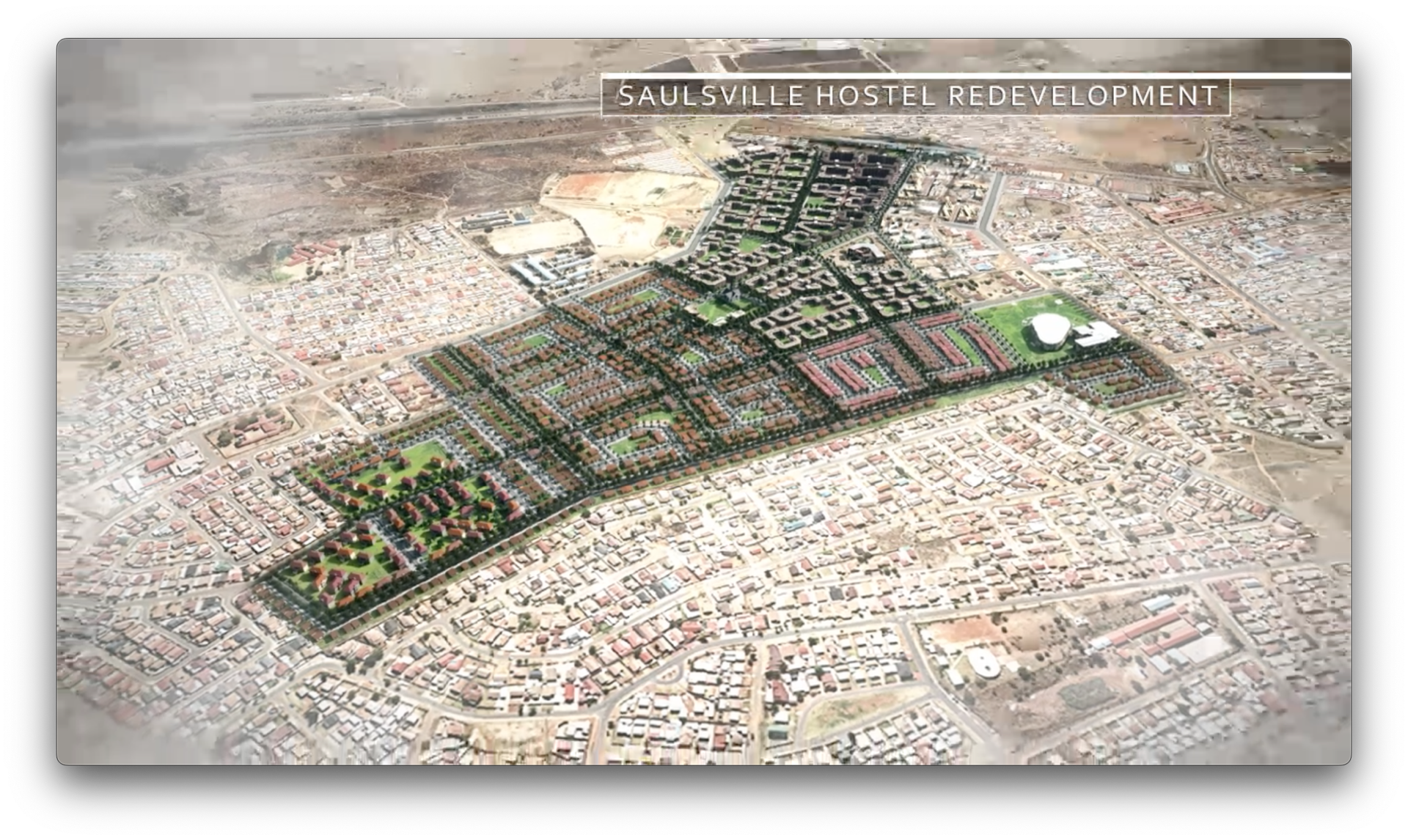
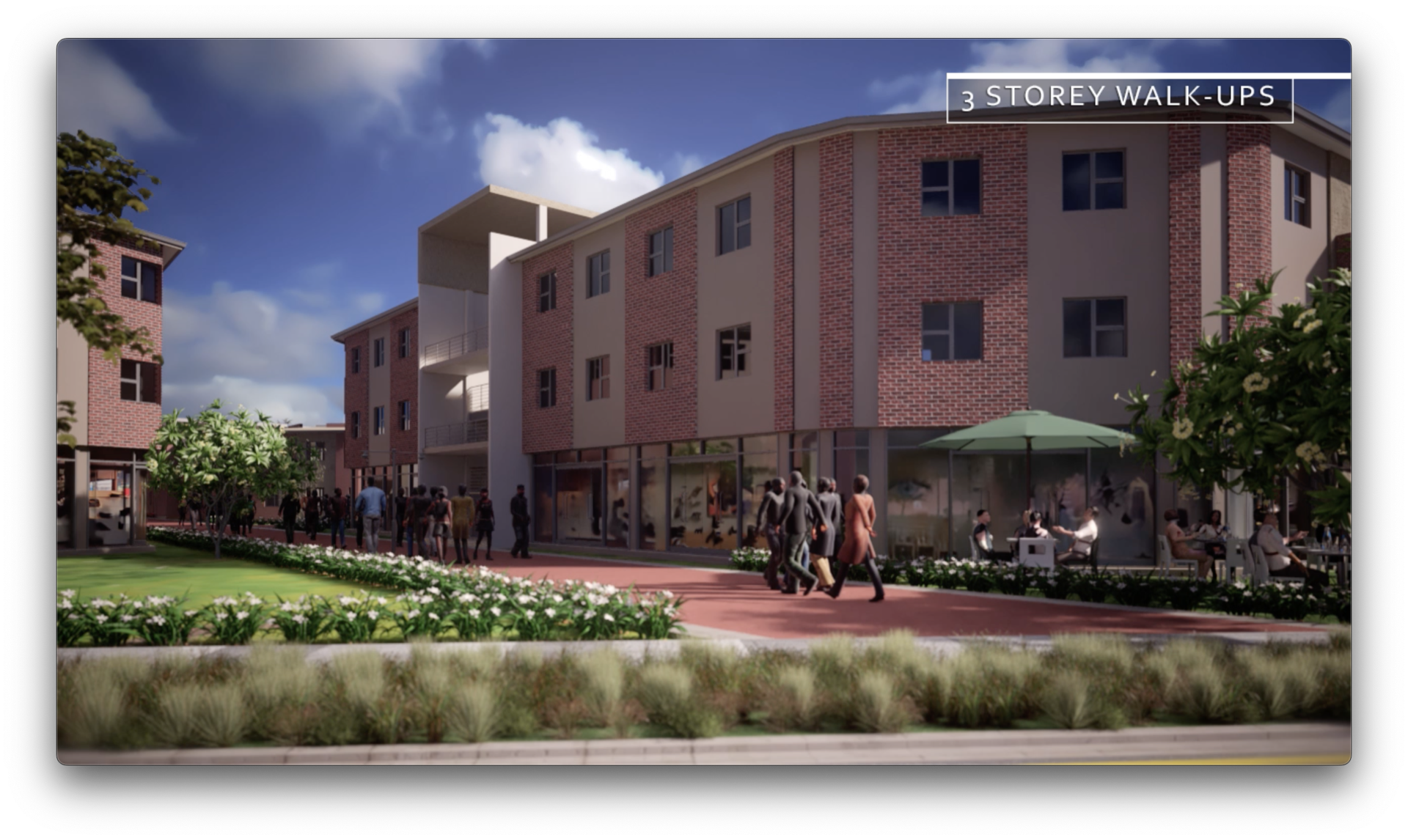
Together with the town planners, we proposed the Urban Design Framework – redesigning the precinct and proposed an improved layout that encourages sustainable community developments. This was supported by transport nodes, leisure activity areas, densified mixed-use development and commercial nodes – all interconnected by intermediary activities – using the existing core nodes.
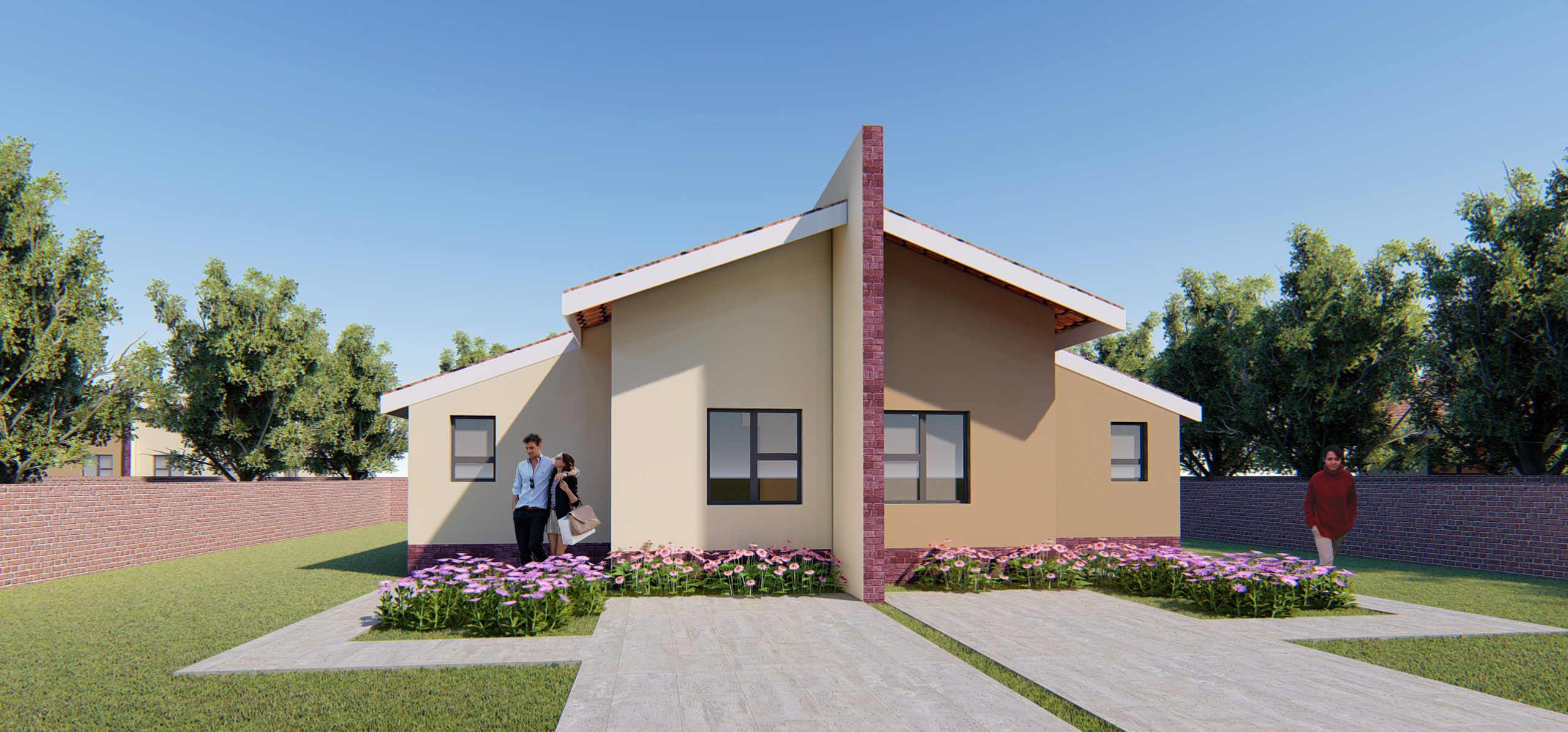
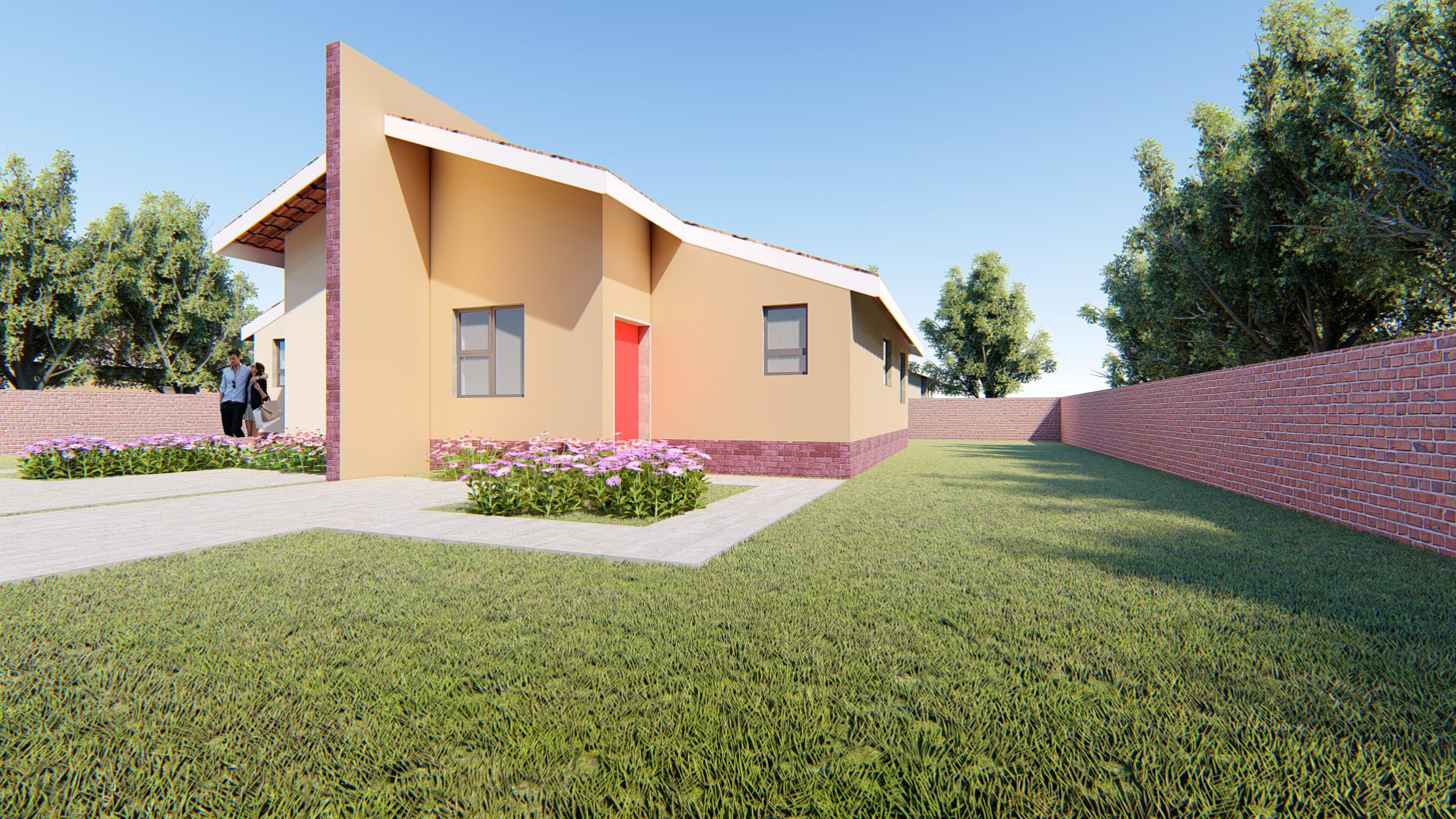
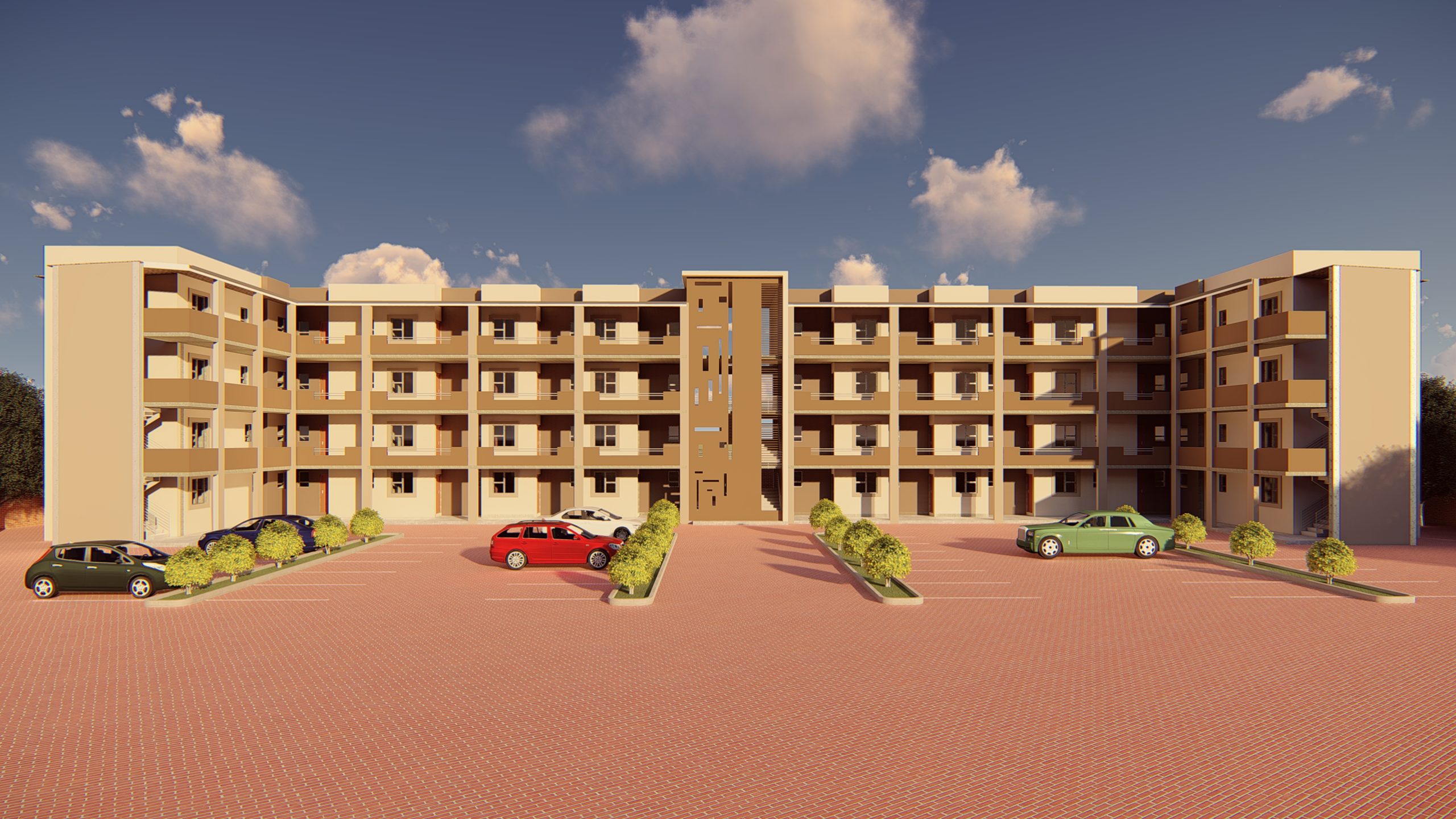
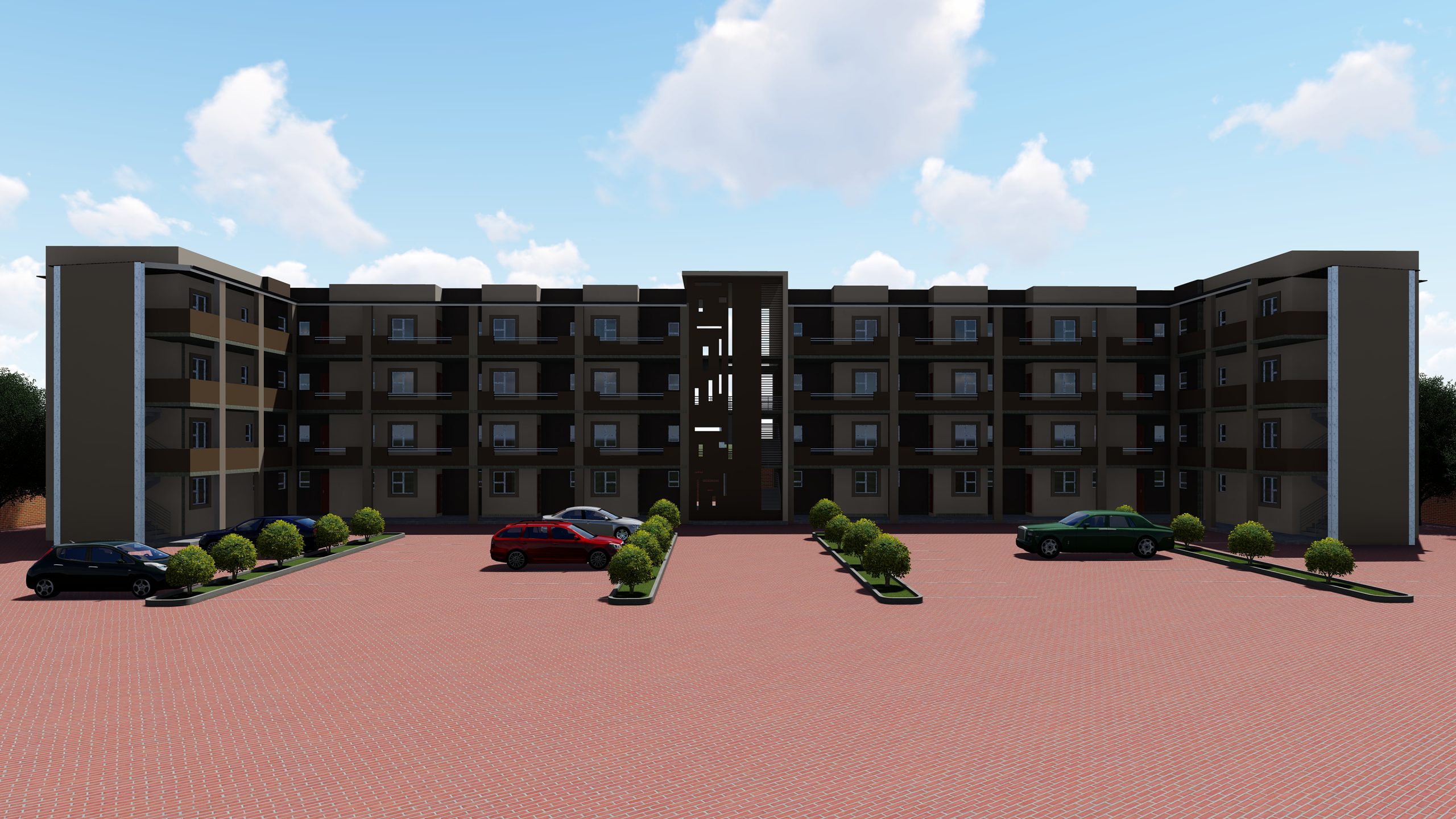
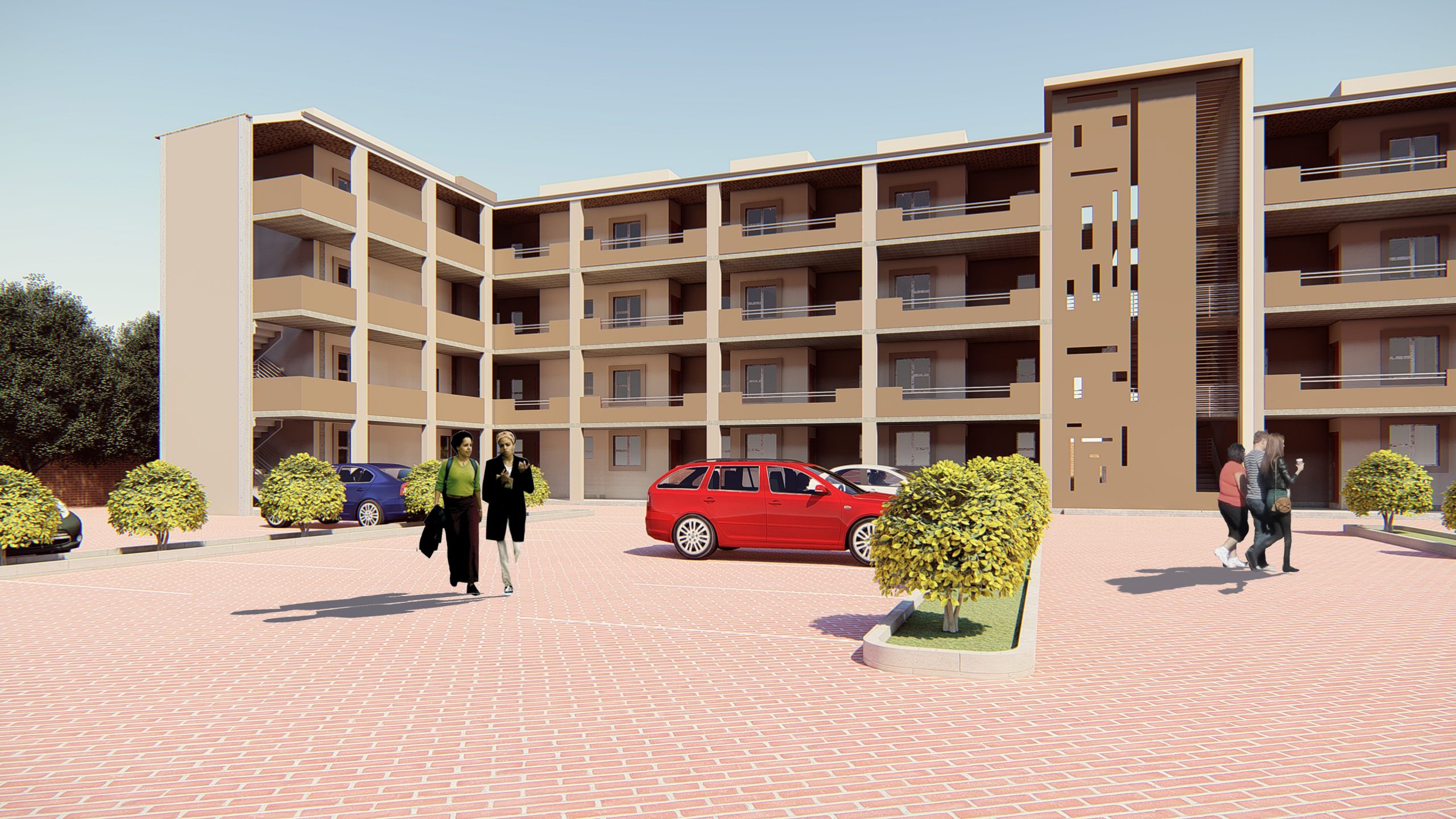
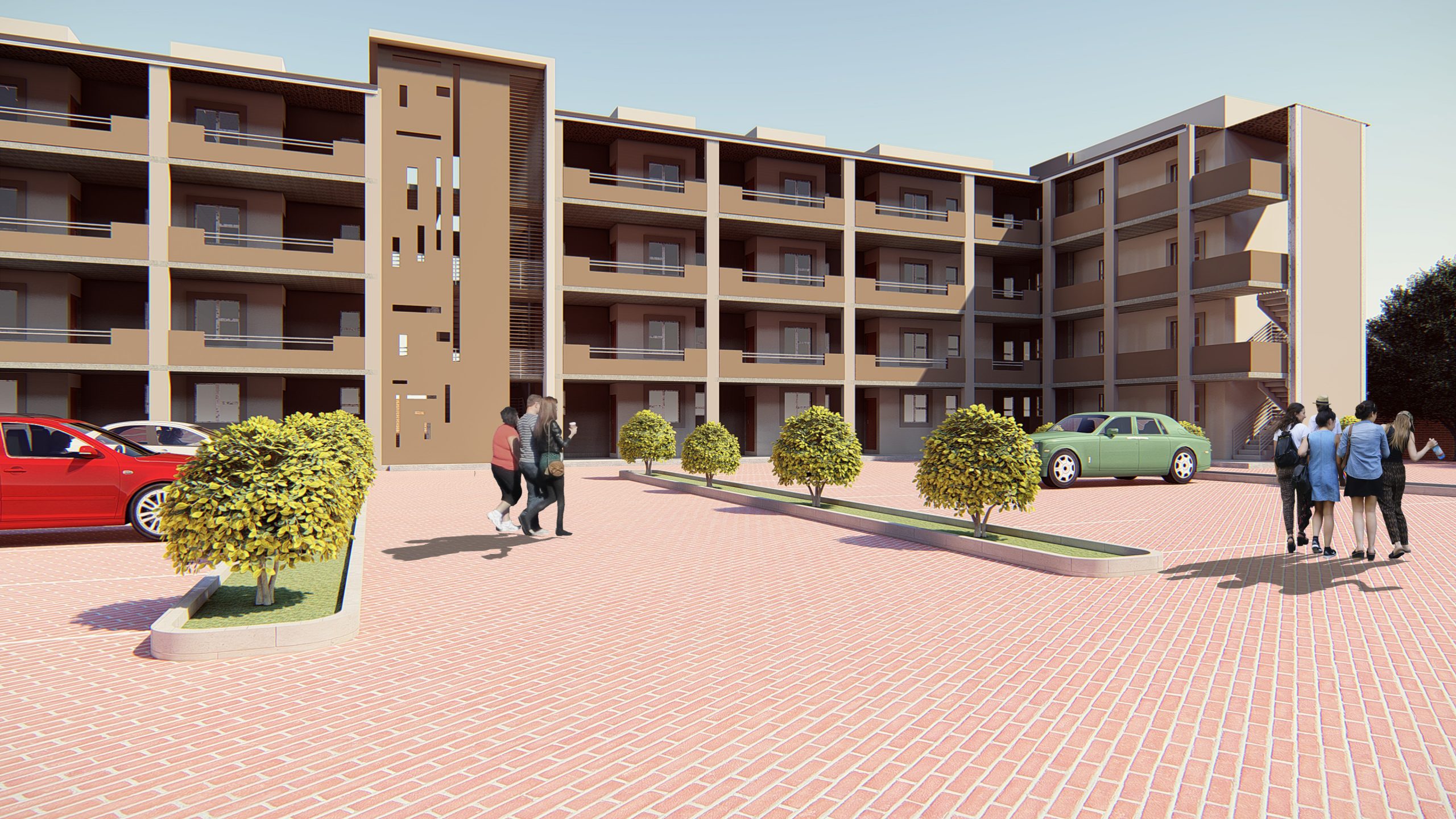
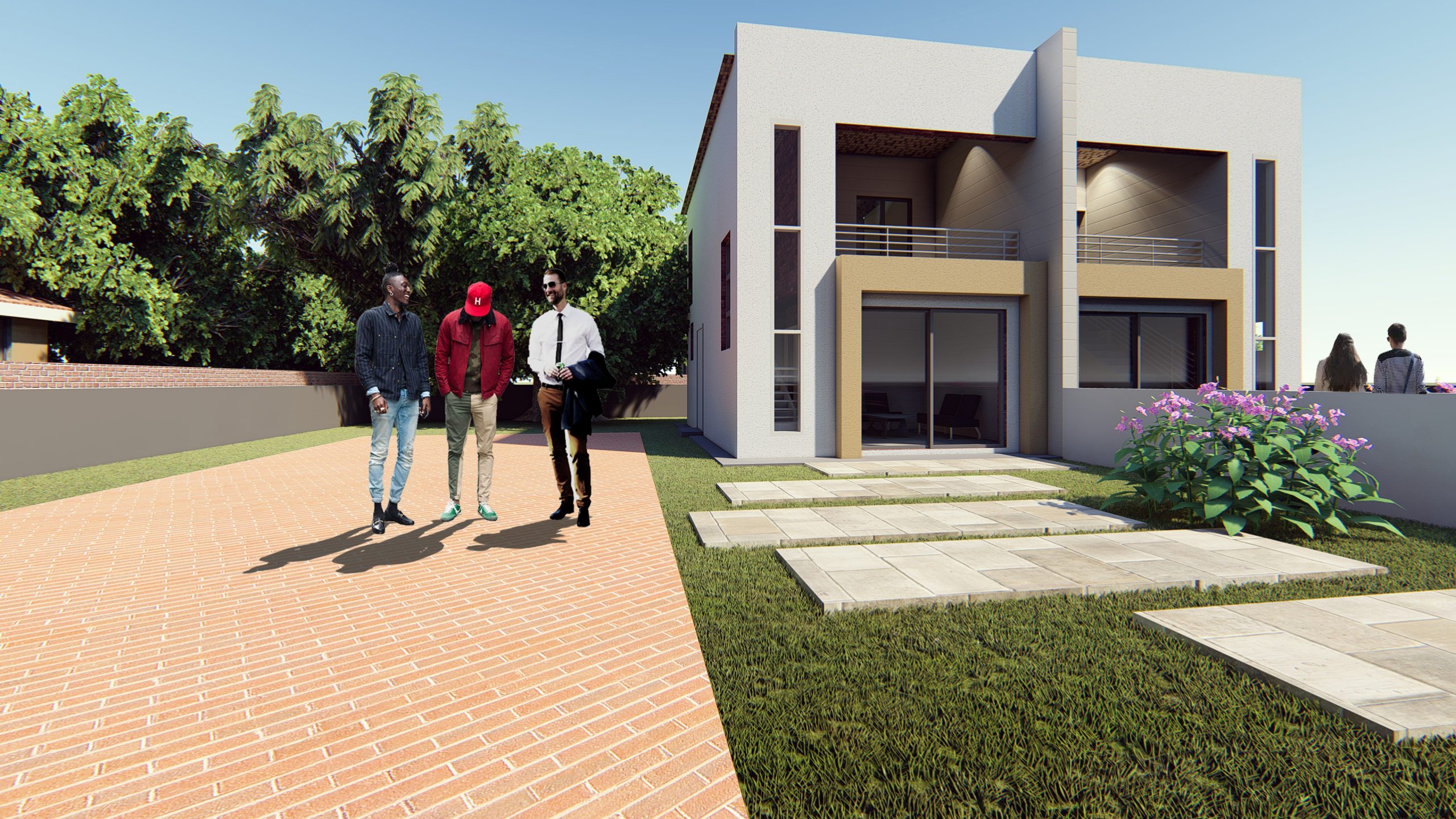
This resulted in the upgrade of existing hostel facilities into residential family units, and the development of various residential prototypes including the following: four storey walk-ups (shared, bachelor, and two-bedroom units), Mixed use (residential and commercial, two storey row housing and stand-alone residences.
NAC role: Design, rendering, and project management.
Square meters: +/- 750 M2 (no stand/Erf OR budget is too big or small) Applied tech: Revit and Luminio 3D rendering.